Emissions Testing & Program Management
Multi Sector Air Pollutants Regulations (MSAPR)

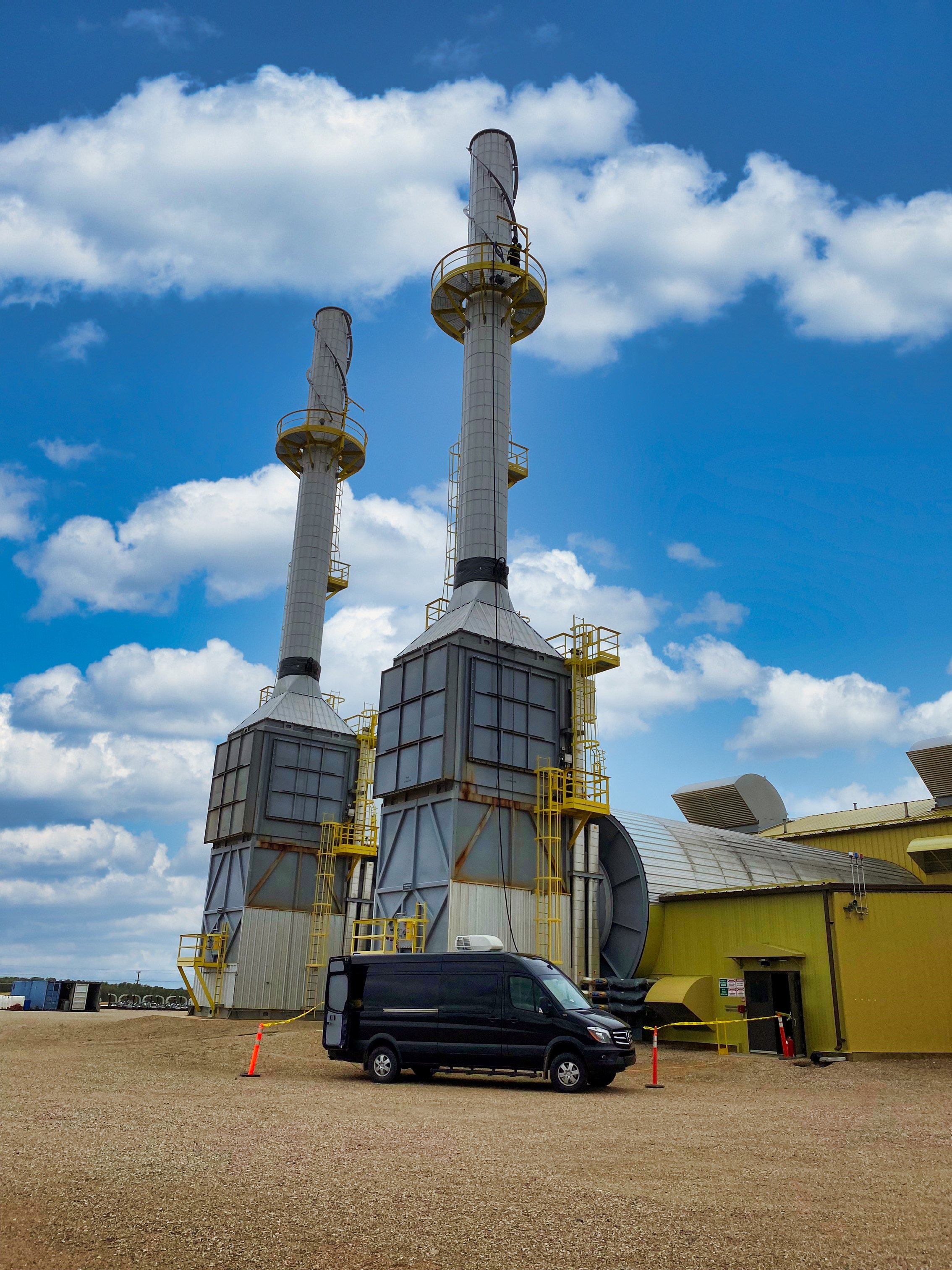
MSAPR Part 1 – Boilers and Heaters
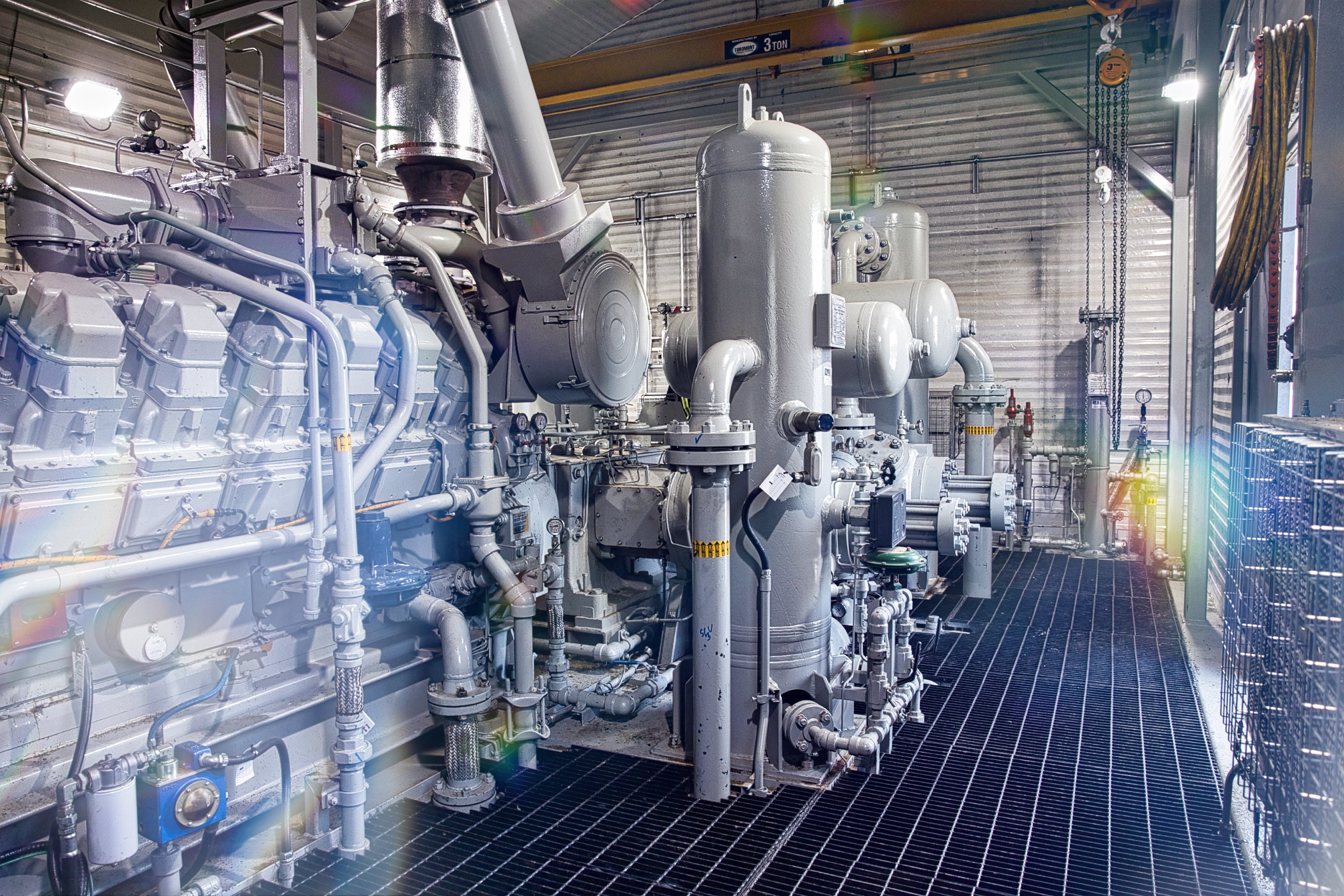
MSAPR Part 2 – Stationary Spark Ignition Engines
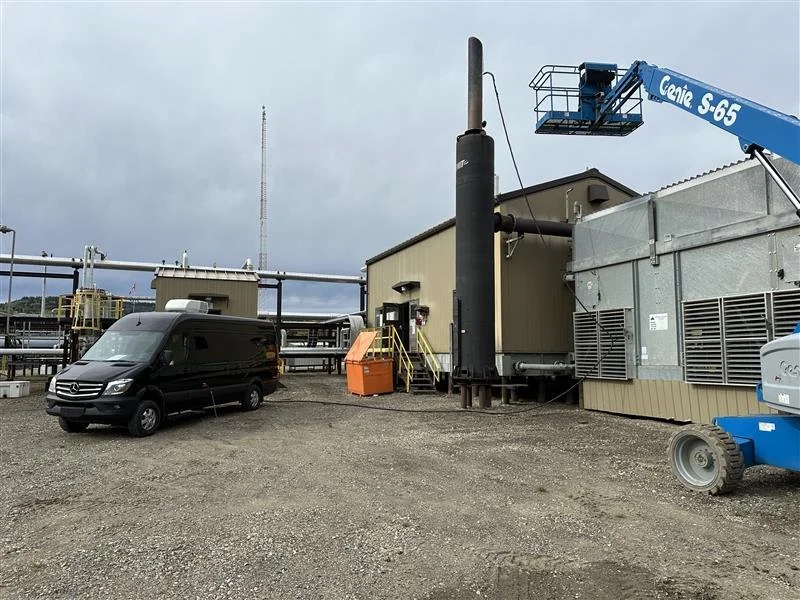
Signet provides a comprehensive suite of emissions testing services to support compliance with the MSAPR regulation, as well as engine tuning, balancing, and mechanical evaluation to help operators reduce emissions while maintaining operational performance.
Signet helps companies determine the most cost-effective and practical compliance approach to follow and helps develop a testing plan to maximize efficiency and minimize the cost and inconvenience to operations.
The following services are part of our standard offering:
Engine fleet analysis/MSAPR compliance guidance
NOx reduction technology upgrade recommendations
Optimal compliance approach recommendation
MSAPR performance testing
MSAPR emission checks
MSAPR boiler/heater testing
Comprehensive reporting that meets the requirements of MSAPR
Methane slip testing
Engine tuning
Engine problem diagnosis
Engine balancing and mechanical evaluation
Annual compliance reporting into SWIM
Catalyst cleaning testing and supply
Signet utilizes Continuous Emissions Monitoring System (CEMS) equipment to provide the most accurate results.
CEMS analyzers are considered more accurate than electrochemical (EC) analyzers used by other service providers, due to their use of advanced, robust, and optical-based measurement technologies rather than chemical reactions. CEMS, typically used for regulatory compliance, offer superior precision, lower detection limits, and long-term stability by avoiding the sensor degradation and cross-sensitivity issues commonly associated with electrochemical cells.
Over 15,000 Regulatory Engine and Boiler/Heater Tests Successfully Completed
Stack Testing Services
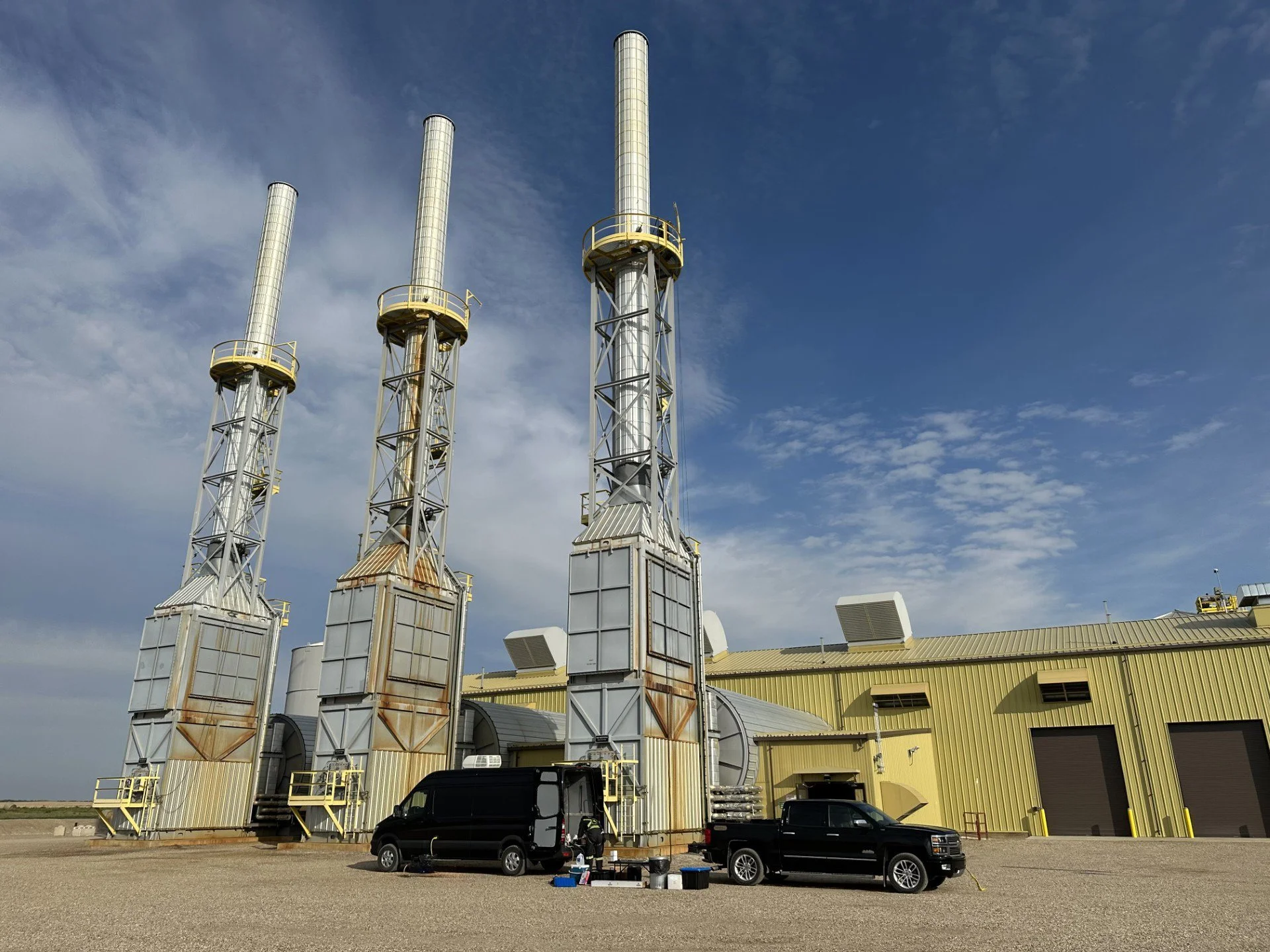
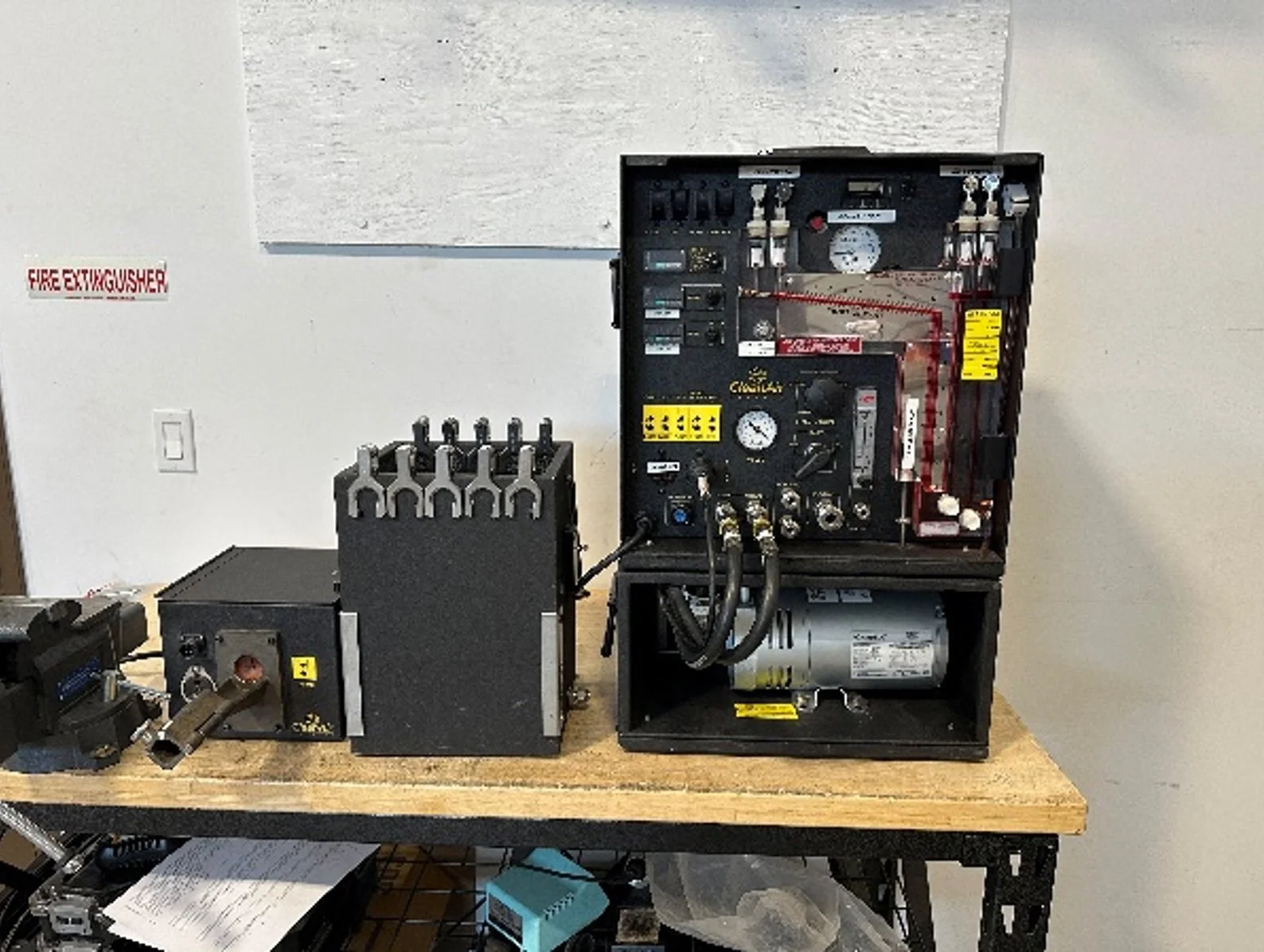
Signet utilizes a state-of-the-art Isokinetic Sampling System to collect highly accurate and representative samples of flue gas by matching the sampling velocity to the actual gas flow within the stack. This precise approach prevents bias in particle capture and ensures that both gas‑phase constituents and entrained particulates are measured correctly. As a result, isokinetic sampling provides a dependable assessment of key flue gas characteristics—including flow rate, temperature, and moisture content—while enabling precise quantification of air contaminants such as particulate matter, sulfur compounds, and other regulated emissions. This method delivers the high‑quality data required for compliance reporting, performance optimization, and environmental monitoring to determine flue gas characteristics and measurement of air contaminants entrained in the flue gas.
| Measurement | Method |
|---|---|
| Stack gas velocity and volumetric flow rate | US EPA Method 2 |
| Moisture Content | US EPA Method 4 |
| Particulate Matter | US EPA Method 5 |
| Sulphur Dioxide | US EPA Method 6 |
| Sulfuric Acid | US EPA Method 8 |
| Ammonia | Alberta Method 41515 |
Accurate Capture.
Reliable Analytics.
Proven Compliance.
Alberta Stack Sampling Code
The Alberta Stack Sampling Code is a provincial technical standard that outlines sampling and analytical procedures for measuring atmospheric emissions from industrial sources in Alberta. It provides reference methods that may be required under approvals issued through Alberta’s Environmental Protection and Enhancement Act (EPEA)
BC Field Sampling Manual
The British Columbia Field Sampling Manual (BCFSM) is a comprehensive manual that sets out quality assurance/quality control (QA/QC) requirements, sampling procedures, protocols, and equipment for environmental monitoring in B.C.
Guidelines for the Reduction of Nitrogen
Oxide Emissions from Natural Gas–Fueled Stationary Combustion Turbines
Federal Environment and Climate Change Canada (ECCC) guidelines (published 2017) aimed at reducing NOx emissions from natural gas–fueled stationary combustion turbines.